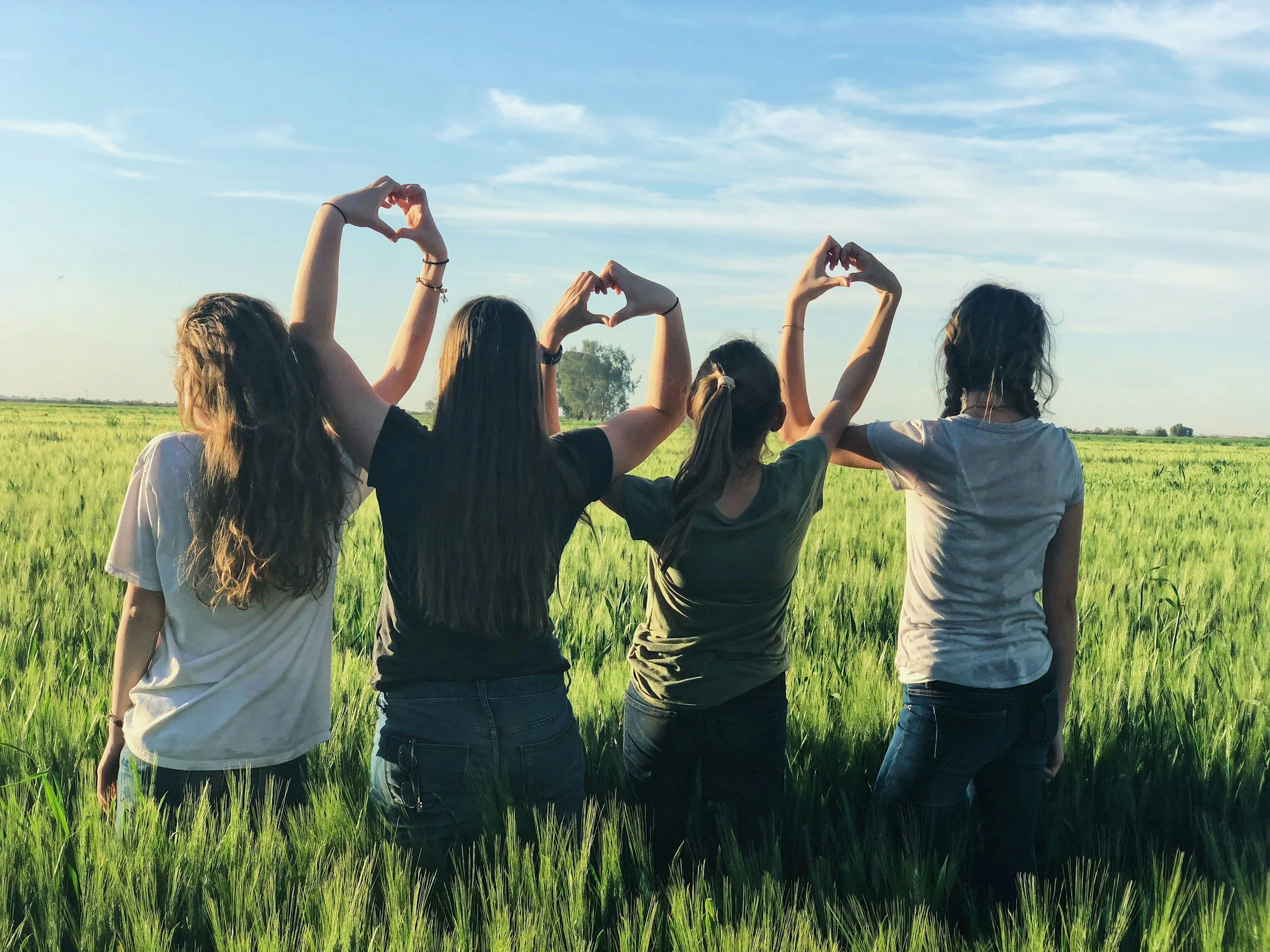
Yoga & Mindfulness
Practices for teenagers
Adolescence is a time of rapid growth and change — physically, emotionally, socially, and neurologically. Yoga & mindfulness practices recognises that wellbeing is not just mental or physical — it is embodied, relational, and deeply individual.
Approach
A research-informed, developmentally appropriate approach to yoga and mindfulness that supports young people at a crucial stage of growth
Grounded in neuroscience, lived experience, and years of working closely with adolescents, this offering provides practical, age-appropriate practices that help teens develop self-awareness, emotional regulation, and a steadier relationship with themselves.
The intention is simple: to create spaces where teens feel safe, respected, and supported — without pressure to be anything other than who they are.
a supportive response to the adolescent years
Teenage years are marked by increasing independence, changing bodies, heightened emotions, and a growing awareness of the world. Alongside these natural developmental shifts, many young people are navigating academic demands, social expectations, and a constant stream of information and stimulation.
Yoga and mindfulness offer a complementary support — not as a solution to problems, but as tools for:
Pausing and settling attention
Developing emotional awareness
Supporting healthy stress responses
Encouraging presence and self-reflection
Guided experiences invite teens to slow down, reconnect with their bodies, and build skills that support wellbeing both now and into adulthood.

Informed by Adolescent Development
Current neuroscience shows that adolescence is a period of significant brain development. Areas related to emotional processing, decision-making, and impulse control are still forming, while sensitivity to experience and connection is heightened.
Understanding this developmental landscape allows yoga and mindfulness to be offered in ways that are age-appropriate, respectful, and supportive rather than directive.
Rather than asking teens to manage or change themselves, these practices meet them where they are — offering structure, consistency, and calm presence.
a whole person approach
Sessions are designed to support:
Nervous system regulation through breath, movement, and rest
Body awareness, particularly during periods of physical change
Emotional literacy, helping teens recognise and respond to internal states
Choice and autonomy, fostering agency and self-trust
Connection and belonging, within a calm, inclusive environment
Creating Safe and Inclusive Spaces
Care is taken to ensure that all sessions are:
Inclusive and respectful of diverse identities and lived experiences
Free from assumptions about bodies, gender, or background
Trauma-aware and choice-led
Rooted in clear boundaries and compassionate communication
The focus is not on performance or achievement, but on presence, awareness, and participation in ways that feel safe and accessible.
Practices are invitational rather than prescriptive, allowing each young person to engage at their own pace.
What Teens May Gain from Practice
Over time, teens may develop:
Greater awareness of thoughts, emotions, and physical sensations
Increased capacity to settle, refocus, and regulate
Improved confidence and self-trust
A healthier relationship with their bodies
Skills that support emotional balance and resilience
These outcomes are not forced or measured — they emerge naturally through consistent, supportive practice.
Who This Offering Is For
Yoga and mindfulness programmes and events are suitable for:
Schools and educational settings
Counselling and wellbeing programs
Yoga studios and community spaces
Educators and facilitators working with adolescents
Parents seeking complementary wellbeing support
Programs can be adapted to suit different age groups, contexts, and group needs.
A Grounded, Respectful Approach
At its heart, these practices are about presence.
It honours adolescence as a meaningful stage of life — not something to be rushed through or managed, but supported with care, consistency, and respect. The practices offered are simple, thoughtful, and age-appropriate, creating space for young people to develop a steadier relationship with themselves as they move through this formative time.
a personal and professional lens

This work is informed not only by professional training and years of professional yoga teaching, but also by lived experience.
I have raised a daughter into adulthood and am currently parenting a teenage son. Walking alongside them has deepened my understanding of the realities of adolescence — the tenderness, the strength, the uncertainty, and the quiet resilience that often goes unseen.
This perspective continues to shape how I hold space for young people: with patience, respect, and a deep trust in their capacity to grow when they feel safe, supported, and understood.
A short note for teens
This is a space where you can slow down, move your body, and breathe — without pressure or expectations. Through yoga and mindfulness practices, you’re invited to notice what’s happening for you, build steadiness, and find moments of calm in the middle of everyday life. There’s no need to be flexible, confident, or “good” at anything — just willing to show up as you are.